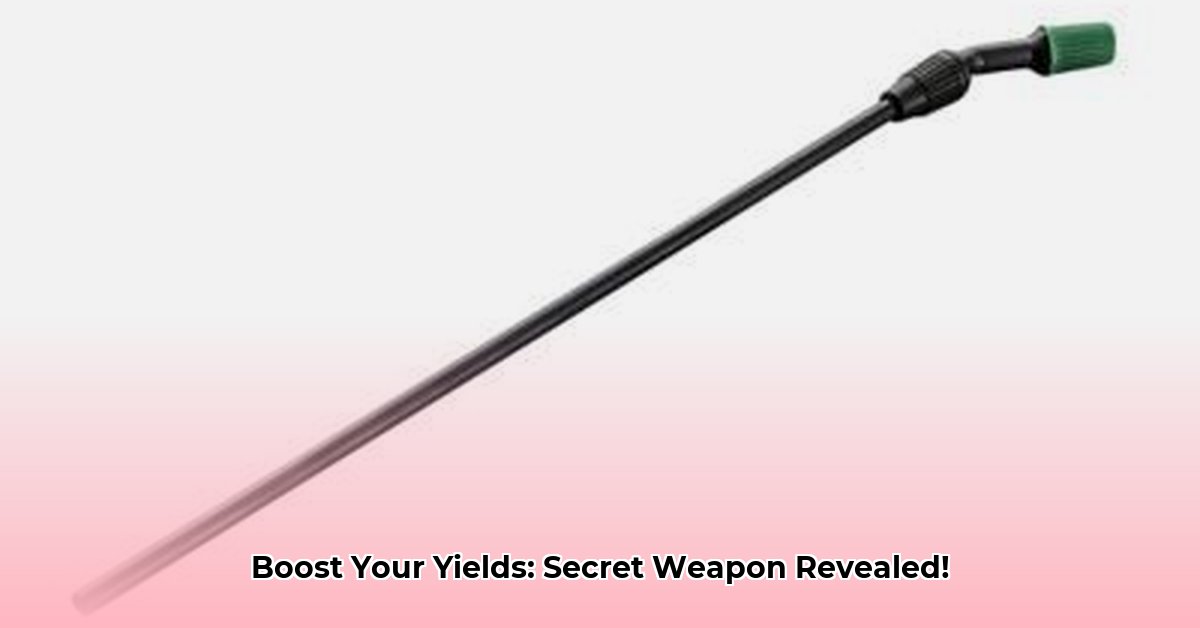
Sprayer Wand Selection: Optimizing Your Sustainable Agriculture Practices
Efficient and responsible pesticide and fertilizer application is crucial for sustainable agriculture. The right sprayer wand significantly impacts yield, minimizes environmental impact, and reduces operational costs. This guide provides a comprehensive approach to selecting, using, and maintaining sprayer wands from Tractor Supply, focusing on maximizing efficiency and promoting environmentally sound farming practices. For more information on tractor sprayers, check out this helpful resource: Tractor Sprayer Guide.
Choosing the Right Sprayer Wand for Your Needs
Selecting a sprayer wand involves considering several key factors:
Garden Size and Crop Type: A small herb garden requires a different sprayer than a large field. Consider the size of your operation and the types of plants you're growing; delicate seedlings need gentler application than robust vegetables.
Application Type: What will you be spraying? Fertilizers, herbicides, or pesticides require different nozzle types and pressures for optimal results. Will you be treating trees or ground cover? This affects wand length requirements.
Pressure Requirements: Higher pressure is beneficial for covering large areas quickly, but gentler pressure is essential for sensitive plants to prevent damage. Adjustable pressure is a highly desirable feature for versatility.
Tank Capacity: Larger tanks reduce the frequency of refills but increase weight and maneuverability challenges. Find a balance between convenience and ease of use.
Material and Durability: Stainless steel wands are more durable and resistant to corrosion than plastic options, providing a longer lifespan and reducing waste. However, they are more expensive.
Ergonomic Design: Prolonged use requires a comfortable, well-balanced wand design to minimize fatigue and strain
Key Features of Effective Sprayer Wands
Several features should be prioritized when purchasing a Tractor Supply sprayer wand:
Adjustable Nozzles: Essential for controlling droplet size and spray pattern to match specific application needs. Different nozzle types are suited for different spray patterns (e.g., flat fan, cone, hollow cone). Larger droplets minimize drift, reducing environmental impact.
Adjustable Pressure Control: Allows for adapting spray intensity to the specific plant or application, preventing damage and optimizing effectiveness.
Durable Construction: Choose wands built from corrosion-resistant materials like stainless steel for long-term use and reduced waste.
Ergonomic Handle Design: Provides comfort and reduces strain during prolonged use.
Easy Cleaning and Maintenance: A sprayer that's easy to clean prevents clogs and prolongs its lifespan.
Step-by-Step Guide to Effective Sprayer Wand Use
Effective pesticide and fertilizer application goes beyond simply purchasing the right tools. Precise techniques drastically improve yield and minimize waste:
Preparation: Always review the product label instructions for appropriate dilutions and safety precautions. Wear protective gear (gloves, goggles, respirators as needed). Thoroughly clean the sprayer before each use to avoid cross-contamination.
Calibration: This crucial step ensures consistent application rates and minimizes waste. Follow the manufacturer's instructions for calibrating your sprayer to deliver the correct amount of product per unit area. Accurate calibration maximizes efficiency and reduces environmental impact. “Proper calibration is essential for cost-effective and environmentally responsible spraying,” says Dr. Emily Carter, Agronomist at the University of California, Davis.
Application Technique: Maintain a consistent spray pattern, overlapping passes to ensure complete coverage. Avoid spraying in windy conditions to minimize drift. Apply chemicals during optimal times of day to maximize effectiveness and minimize potential damage to beneficial insects or plants.
Post-Application Clean Up: After each use, immediately rinse the sprayer thoroughly with clean water to prevent clogging and residue buildup. Proper cleaning significantly extends the sprayer's lifespan and avoids corrosion.
Sprayer Types: A Comparison
Several sprayer types cater to various needs. Consider the pros and cons before making a purchase:
| Sprayer Type | Advantages | Disadvantages |
|---|---|---|
| Handheld Pump Sprayers | Inexpensive, portable, simple to use. | Lower pressure, smaller tank, more physically demanding for large areas. |
| Battery-Powered Sprayers | Higher pressure, larger tank, less physical effort. | Needs charging, higher upfront cost. |
| Compressed Air Sprayers | Consistent pressure, good reach, less strain on you. | Needs an external compressor, can be bulky, compressor requires maintenance. |
Choosing the right sprayer wand is a significant step toward efficient and environmentally responsible agricultural practices. By following these guidelines and prioritizing key features, you can optimize your operations, boost yields, and minimize your environmental footprint. Remember – a well-chosen and properly maintained sprayer is an investment in the long-term health and profitability of your farm.